Spices
Cumin Seeds
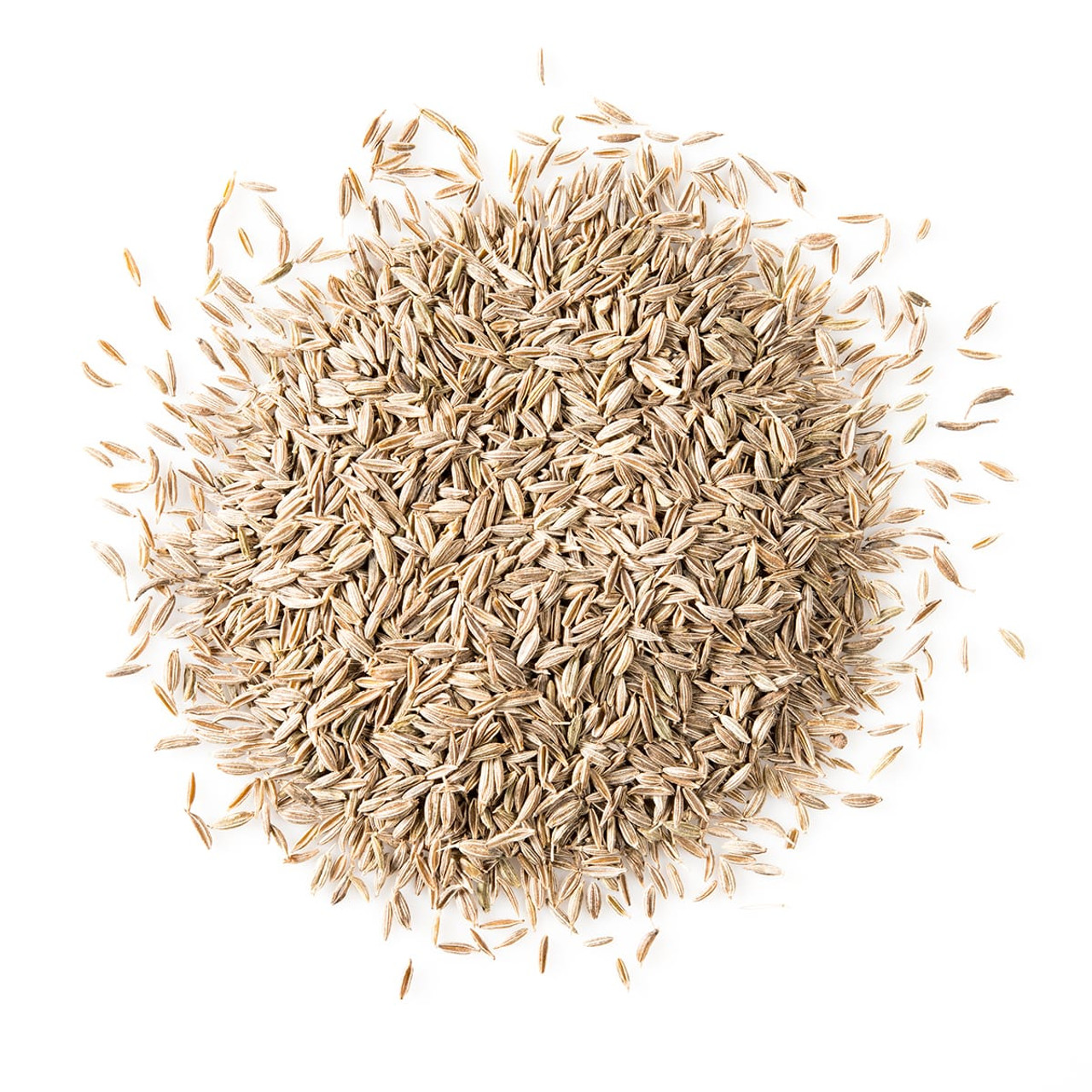
The dried, white, and greyish-brown fruit of a tiny, thin annual herb is called cumin. The fruit's surface is covered in five main ridges and four less apparent minor ridges covered in many short hairs. Plant height ranges from 15 to 50 cm. The aromatic fruit resembles a seed and is elongated, oval, and between 3 and 6 mm long. It tastes warm and is slightly bitter. The tiny umbels of blooms are rose or white in hue.
HSN Code : 0909 31 11
Coriander Seeds
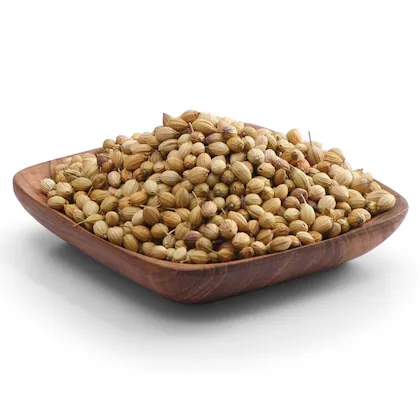
One of the most valuable spice crops for seasoning meals is coriander. The plant is a tiny, bushy, herb with many branches and umbels that grows to a height of 25 to 50 cm. It has thin stems. The leaves are complex and alternating. The scent of the entire plant is wonderful. Five tiny umbels make up the compound umbel known as an inflorescence. The fruit is rounded, with a diameter of 3 to 4 mm, and splits into two locules with one seed each when compressed. The fruit has a subtle scent, and the seeds range in colour from light brown to creamy white. Coriandrum sativum L. is its scientific name.
HSN Code : 0909 21 10
Cardamom
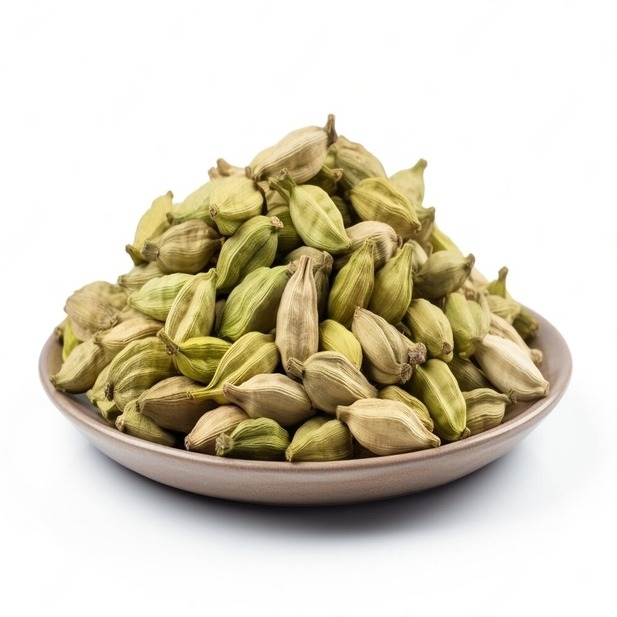
Due to its extremely pleasant perfume and flavour, dried ripe fruit (capsules of the cardamom plant) is known as the cardamom of commerce. It is frequently referred to as the "Queen of Spices." Cardamom is a herbaceous, rhizomatous, perennial plant. Three forms of panicles are recognised based on their nature: the prostrate panicle found in Malabar, the upright panicle found in Mysore, and the semi-erect panicle found in Vazhukka. In the case of Malabar, plants are robust (3 to 4 meters in height), with leaves glabrous on both sides and ovoid capsules; in contrast, plants of medium size (2 to 3 meters in height) have pubescent leaves (on the dorsal side). Physically, the Vazhukka kind is a cross between the two mentioned above.
HSN Code : 0908 31 10
White Pepper
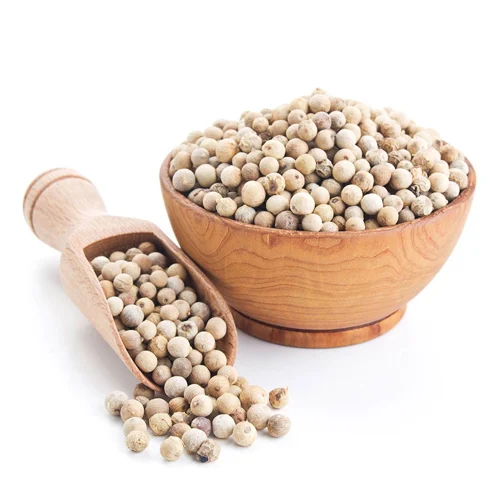
The only part of the pepper plant that is used to make white pepper is the seed, which has been separated from the fruit's flesh, which is a thinner, darker hue. This is typically achieved using a procedure called retting, in which completely ripe red pepper berries are submerged in water for around a week to allow the peppercorn's flesh to soften and break down. The remaining fruit is then removed by rubbing, and the uncovered seed is dried.
HSN Code : 0904 11 20
Black Pepper
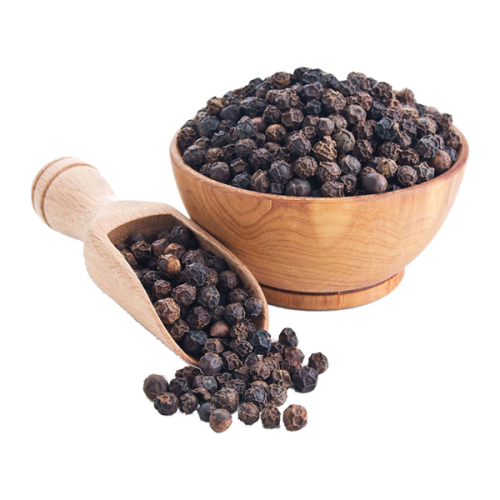
The mature, dried fruit of Piper nigrum, a climbing perennial shrub primarily found in hot, humid regions of Southern India, is known as black pepper. Under cultivation, 5–6 m tall and 1-2 m in diameter pepper vines are trailed over support structures like columns. Each swelling node on the woody ascending stems has adhering roots that tie the vine to the support trees, or standards. Its main stem grows straight upward, and it has lateral shoots that sprout from the leaf axils. These branches have shorter internodes and no adventitious roots. These branches have terminal buds that change into inflorescences, or spikes, while the auxiliary buds keep growing.
HSN Code : 0904 11 30
Cloves
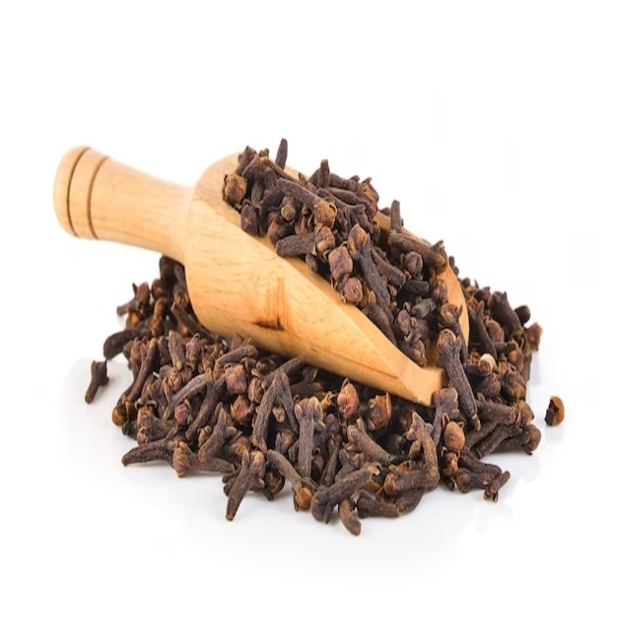
The air-dried, unopened flower bud from an evergreen, medium-sized tree is known as the clove of commerce. The tree reaches a height of 10 to 12 metres and begins to bloom after about 7 years. It bears flower buds for at least eight decades. It is an important spice from the East. When the buds are fully matured and have a noticeable pink flush, clove clusters are manually picked, and sun-dried for several days. Botanical name: Syzygium aromaticum; yields essential oil from unopened flower buds, leaves, and stalks.
HSN Code : 0907 10 20
Mustard Seeds
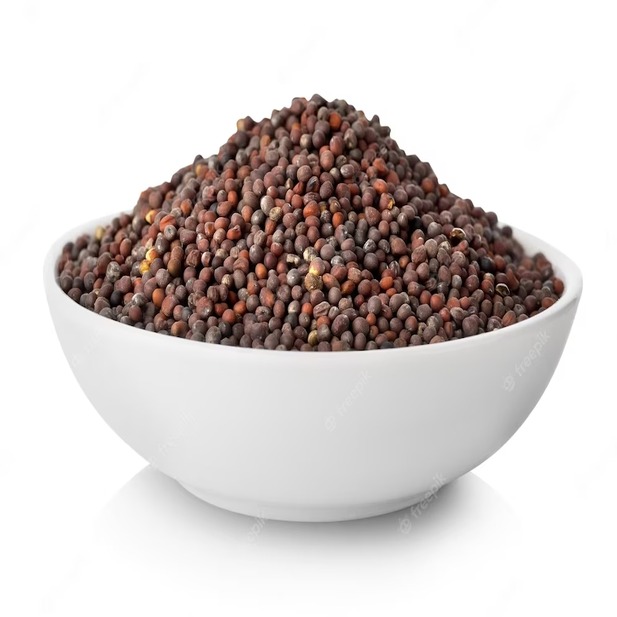
Three species of the annual herb mustard are valued for their condiment qualities. Mustard is grown as a vegetable, oil seed crop, or fodder. They are mustard plants that are either pale yellow or white (Brassica hirta), brown (Brassica juncea), or black (Brassica nigra). The plant has alternating, long, petiolate, bristly branching leaves that are hairy on both sides. Little, cruciform, yellow flowers have four petals. The seeds range in size from 1.5 to 3 mm.
HSN Code : 1207 50 10